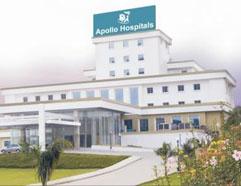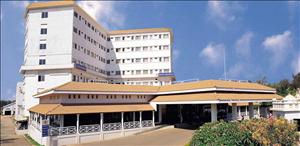
EHIRC is a JCI accredited hospital which is a Centre of Excellence providing the latest technology in: Cardiac Surgery, Interventional Cardiology, Minimally Invasive Surgery (Robotics), Non-Invasive Cardiology, Paediatric Surgery & Paediatric Cardiology
At a glance
Key planning information for cardiac ablations in India.
Cardiac Ablations in India is priced per case at 7 hospitals. The operation takes 4 to 8 hours. Each hospital quotes its own price for your case.
Hospitals and clinics offering Cardiac Ablations in India
Cardiac Ablations is listed by 7 hospitals in India. The order reshuffles every hour so each gets equal exposure.
Private HospitalThe flagship hospital of the Global Hospitals Group, which operates eight hospitals throughout India. The modern 500 bed hospital was opened in 2009, and offers advanced medical and surgical treatment, including organ transplantation, cardiac surgey and neurosurgy.
Located near Delhi, Fortis Hospital Noida is a Centre of Excellence for Orthopaedics and Neurosciences with a focus on Cardiac Sciences, Minimally Invasive Surgeries and Oncology.
Private HospitalApollo Bangalore is a modern, JCI accredited, multi-specialty hospital, capable of treating the most complex medical cases, including neurosurgy, bone marrow transplants, oncology and cardiac surgery. Apollo provides a full range of services for foreign patients.
Private HospitalThe Apollo Hospital Chennai is part of the Apollo Hospitals group. The hospital is JCI accredited and considered as one of the best hospitals in India.
Private HospitalA conglomeration of hospitals in one campus, including: the Sparsh Hospital for Orthopedics & Trauma, the Mazumdar Shaw Cancer Center, the Narayana Hrudayalaya Heart Hospital, the Narayana Nethralaya Eye Hospital, as well as a full fledged multi specialty hospital.
Trust HospitalTrust based hospital that treats around 7,000 international patients a year. India's first JCI and comprehensive NABH accredited hospital.
Description of Cardiac Ablations:
Catheter ablation is a treatment procedure performed to treat some kinds of arrhythmia, in which there are problems related to the heartbeat rhythm.
- An ablation catheter, which is a thin, long and flexible tube, is inserted into a blood vessel in the arm, groin or neck.
- The catheter is guided into the heart thought the blood vessel.
- Radiofrequency (RF) energy is sent from a special machine through the ablation catheter into the heart.
- Tissues of the heart where abnormal heartbeats occur are destroyed by the energy.
How to Prepare for Catheter Ablation?
- A comprehensive electrophysiologic study (EPS) needs to be done before a catheter ablation procedure.
- Various tests including chest X-ray, ECG and blood tests need to be conducted before the procedure.
- Some medications need to be stopped a few days before the procedure.
- Sedative medication will be given through an intravenous line.
About Cardiac Ablations
Key facts to plan your treatment: how long it takes, your hospital stay, anaesthesia, risks and recovery.
- The patient is monitored using a telemetry monitor to observe the heart rate and rhythm.
- There may be chest discomfort and feelings of fatigue for about 2 days after the procedure.
- Bleeding
- Infection
- Blood clots
- Puncture
- If there is prolonged chest discomfort, the doctor should be informed immediately.
- Anti-arrhythmic medication needs to be taken after the procedure.
- The patient should not drive for a few days after the procedure.
Patient reviews
Reviews coming soon.
Common questions
Frequently asked questions
Have a question? Get a free consultation.
Ready to compare cardiac ablations hospitals in India?
Choose a hospital and send your enquiry to its international patient team. Each replies with its own price and plan.
Free consultation • No obligation