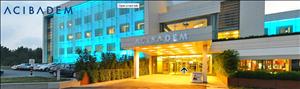
A modern, JCI accredited, full service hospital, established in 2009. Acibadem Maslak is part of the Acibadem Healthcare Group, so international patients are taken care of through the group's International Patient Center.
DoctorsMNProf. M. Necmettin Pamir, MDMMProf. M. Memet OzekView all 6
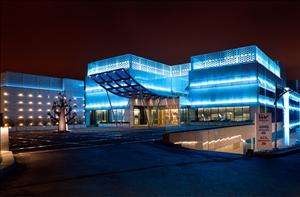
The first in a brand new chain of ultra-modern hospitals, opened in January 2013, LIV hospital focuses on foreign patients, and tries to provide a complete and comprehensive service by a dedicated international team.
Medipol Mega Hospital Complex is a modern medical facility with four specialist hospitals and an extensive selection of high caliber medical devices available for use. The hospital provides treatments in a wide variety of medical fields in its 470 bed facility.
DoctorsDIProf. Dr. Ilhan ElmaciAPAssist. Prof. Gökalp SilavView all 8
A JCI accredited, multi-specialty medical center which is a part of the Acibadem Healthcare Group. The hospital provides medical care in virtually all medical specialties. International patients are catered for through the Acibadem International Patients Center.
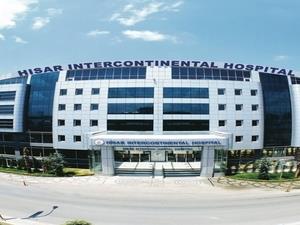
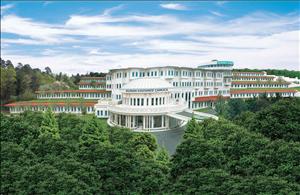
Hisar Intercontinental Hospital is a JCI accredited facility that provides the highest quality of care for all its patients. The hospital is one of Turkey’s largest private hospitals and utilizes the best and most up-to-date technologies in its 170 bed facility.
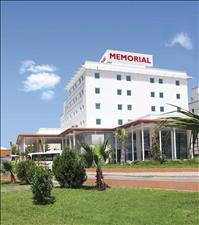
A modern JCI accredited hospital located in Antalya, with 80 physicians spread across most medical specialties. The international patients department assists foreign patients with transportation, insurance, Visa arrangements, translation and more.
German Hospital Camlica has achieved a 7 star rating. It has 24 highly skilled and experienced physicians, who treat around 500 international patients each year.
One of the largest private healthcare providers in Turkey. Has obtained JCI accreditation and is ISO certified. This hospital treats approximately 12,000 international patients annually.
Brain tumor surgery is performed to remove a brain tumor.
Craniotomy is the most common method used to remove a brain tumor.
During surgery, the maximum number of tumors are removed. Most primary brain tumors are surgically removed, however there are some tumors that may not be removed completely. In these cases, the tumor may only be debulked in which the tumor’s size is reduced. This is helpful in relieving some symptoms.
The patient may need to undergo chemotherapy along with surgery.
How is a Brain Tumor Surgery Performed?
The patient is given anesthesia. The patient’s scalp is shaved. Then an incision is made in the scalp, after which a piece of the skull is cut out with a special saw. The whole tumor or part of it is removed. After the tumor is removed, the piece of bone is put back in the skull and the incision is closed with clips or staples and covered with dressing and bandage.
How to Prepare for the Surgery?
The patient is examined by the doctor and the overall health of the patient is reviewed.
The patient should inform the doctor about any allergies to medication.
Certain medication that the patient is taking may be stopped some days before the surgery.
The patient should avoid eating solid or liquid food about 8 hours prior to the surgery.
The patient should avoid smoking some weeks before the surgery.
The patient’s colon may be required to be cleansed and emptied.
About Brain Tumor Surgery
Key facts to plan your treatment: how long it takes, your hospital stay, anaesthesia, risks and recovery.
Duration of surgery/treatment
The surgery will take several hours depending on the size and position of the tumors that need to be removed. Certain technical factors may also affect the duration of the surgery.
Days admitted
Approximately 2 weeks
Anesthesia
General anesthesia
Recovery
- After the surgery the patient is taken to the recovery room. - The patient is shifted to the neurosurgery ward once the patient regains consciousness. - The patient is then closely monitored in the ICU. The patient’s pupil reactions are tested and limb movements are evaluated. - The patient may experience nausea and headache. - The eyes may also swell and be bruised due to the surgery. - The wound will feel uncomfortable for many weeks. - Pain medication may be prescribed by the doctor. - The scar will heal slowly and become less noticeable in 6 to 12 months. - Partial recovery is possible in 1 to 4 weeks. The patient may be able to fully recover in 8 weeks after the surgery.
Risks
The risks associated with a brain tumor surgery may include the following: - Bleeding - Blood clots - Swelling - Injury to normal nerve tissues - Infections - Damage to a normal brain tissue leading to loss of specific brain functions and impairments - Paralysis - Sensory impairments
After care
- The bandages on the surgical wounds need to be removed and replaced regularly. - The scalp should be kept dry when the staples are not removed. - The patient may be required to take up certain therapies to improve strength and coordination. - Scalp hair may be washed in about 2 weeks after surgery. - Hair dyes and any hair cosmetics should be avoided. - The patient may be advised to avoid taking flights for about a month after the surgery as the cabin pressure may cause some problems to the patient’s brain. - The doctor should be consulted about the nature of the work if the patient is resuming job. - Sports such as boxing and rugby should be avoided for a minimum of 12 months after the surgery. - The patient should avoid drinking alcohol in large amounts as this may lead to seizures.
 Private Hospital
 ISO

 Private Hospital
 JCIPrice on request
 Private Hospital
 Private Facility and University Hospital
 Private Hospital
 Private Hospital
 Private Hospital
 Private Hospital
 Private Hospital