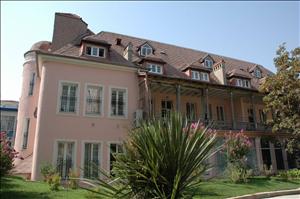
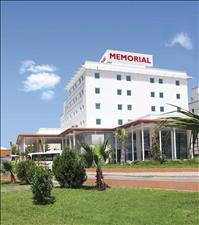
Medipol Mega Hospital Complex is a modern medical facility with four specialist hospitals and an extensive selection of high caliber medical devices available for use. The hospital provides treatments in a wide variety of medical fields in its 470 bed facility.
DoctorsDMProf. Dr. Mehmet Faruk KöseDCProf. Dr. Cahit Gürkan ZorluView all 23
The first in a brand new chain of ultra-modern hospitals, opened in January 2013, LIV hospital focuses on foreign patients, and tries to provide a complete and comprehensive service by a dedicated international team.
A JCI accredited, multi-specialty medical center which is a part of the Acibadem Healthcare Group. The hospital provides medical care in virtually all medical specialties. International patients are catered for through the Acibadem International Patients Center.
A modern, JCI accredited, full service hospital, established in 2009. Acibadem Maslak is part of the Acibadem Healthcare Group, so international patients are taken care of through the group's International Patient Center.
DoctorsBTProf. Bulent TrasTKProf. Tansu Kucuk, MDView all 3
German Hospital Camlica has achieved a 7 star rating. It has 24 highly skilled and experienced physicians, who treat around 500 international patients each year.
One of the largest private healthcare providers in Turkey. Has obtained JCI accreditation and is ISO certified. This hospital treats approximately 12,000 international patients annually.
DoctorsAŞDr. Alper ŞişmanoğluMZDr. Mustafa Ziya GünençView all 3
A modern JCI accredited hospital located in Antalya, with 80 physicians spread across most medical specialties. The international patients department assists foreign patients with transportation, insurance, Visa arrangements, translation and more.
What is Myomectomy?
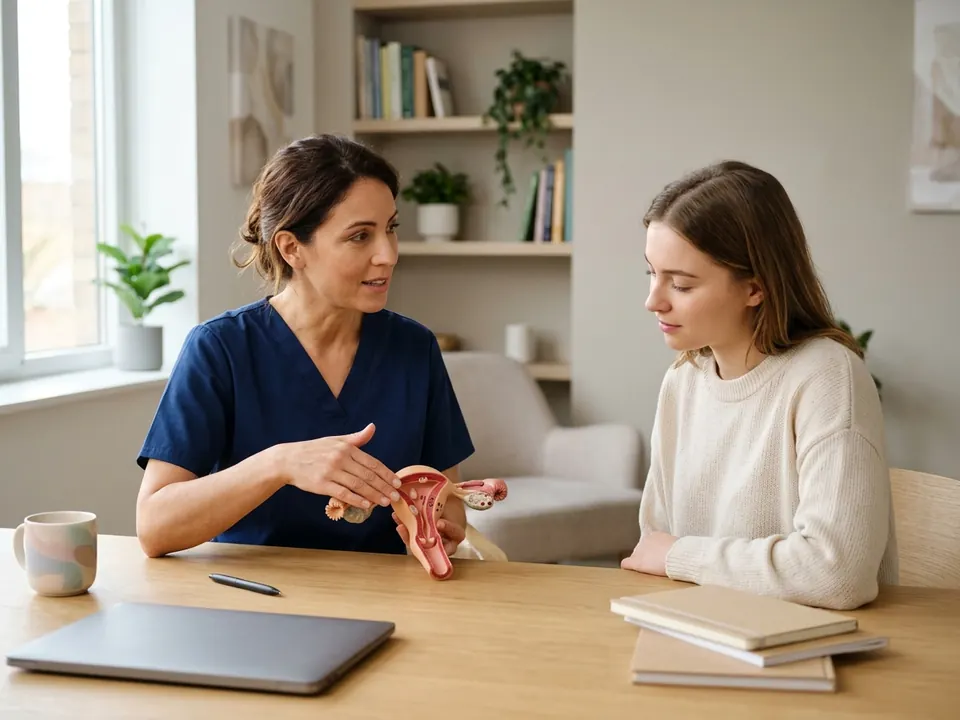
Myomectomy is a surgical procedure in which fibroids are removed from the uterus wall.
Gonadotropin Releasing Hormone Analogue (GnRH-a) therapy may be used before myomectomy to reduce the size of the fibroids. This helps in reducing blood loss during a surgery. The GnRH-a therapy decreases the estrogen amounts in the body.
What are the different methods of performing Myomectomy?
Myomectomy may be performed by various surgical methods; choosing the method depends on the size, number and location of the fibroids.
Hysteroscopy
Fibroids that are located on the inner wall of the uterus but have not grown deep into the wall of the uterus is removed by hysteroscopy. A hysteroscope is inserted through the cervix into the uterus and the fibroids are removed.
Laparoscopy
Fibroids that measure approximately 2 inches and are located outside the uterus is removed by laparoscopy. This method uses a laparoscope which is inserted through a small abdominal incision and the fibroids are located and removed.
Laparotomy
Fibroids that are large in size or those that have grown deep into the wall of the uterus are removed by laparotomy. This is the traditional method of performing a myomectomy. During a laparotomy, a full abdominal incision is made horizontally or vertically. A few incisions are made in the muscles of the uterus and the fibroid is removed.
How to prepare for Myomectomy?
The patient may be required to go through a hormone treatment 2 to 6 months before myomectomy to reduce the size of the fibroids.
The patient needs to go through a thorough physical examination.
The doctor should be informed if the patient is:
Taking any medication
Allergic to any medication
Treated for any pelvic, uterine, cervical or vaginal infection 6 weeks prior to the procedure.
Suffering from heart or lung ailments
Pregnant
Arrangements should be made for someone to drive the patient home.
About Myomectomy
Key facts to plan your treatment: how long it takes, your hospital stay, anaesthesia, risks and recovery.
Days admitted
- Hysteroscopy: is done as an outpatient procedure. - Laparoscopy: may be done as an outpatient procedure. However, sometimes patients may require a stay of 1 day in the hospital. - Laparotomy: 1 to 4 days at the hospital
Anesthesia
General Anesthesia
Recovery
- Patients will be able to recover in a couple of weeks after myomectomy using laparoscopy and hysteroscopy. - Patients who have had a laparotomy may need 4 to 6 weeks to recover. - Patients’ symptoms of bleeding and pain caused by fibroids are cured after myomectomy. - In many cases of patients with the problem of infertility, chances of pregnancy are known to be improved after myomectomy.
Risks
Risks involved in myomectomy are rare. They include: - Infection - Bleeding - Uterine wall weakening - Risks of anesthesia - Severe bleeding that may lead to the removal of the whole uterus - Uterine scarring may lead to infertility - Rupture of uterine scars during pregnancy and delivery
After care
- The patient should follow the doctor’s instructions carefully. - Patients trying to get pregnant may try to conceive 4 to 6 months after myomectomy because fibroids may grow back later. - Patients may be required to do a hysterosalpingogram 4 months after myomectomy.
 Private Facility and University Hospital
 JCIPrice on request

 ISO