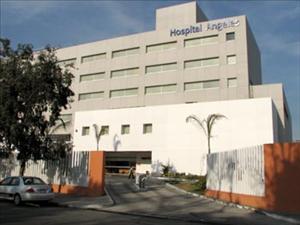
 Private Hospital
Tijuana, Mexico
Price on request
A complete medical facility specializing in many disciplines that was built especially to cater medical tourists.
PricesOpen Heart Surgery upon request
Price
Contact for quote
Cardiac Surgery care in Mexico
Hospitals and medical centers in Mexico performing Open Heart Surgery.

Key planning information for open heart surgery in Mexico.
Open Heart Surgery in Mexico is listed from US$19,000 to US$28,500 at 6 hospitals. The operation takes 3 to 5 hours, with 4 days in hospital. Each hospital quotes its own price for your case.
Table of prices by type of procedure, in US$. Each hospital quotes its own price for your case.
| Procedure | Minimum price | Maximum price |
|---|---|---|
| Open Heart Surgery | $19,000 | $28,500 |
Open Heart Surgery is listed by 6 hospitals in Mexico. The order reshuffles every hour so each gets equal exposure.
Private HospitalA complete medical facility specializing in many disciplines that was built especially to cater medical tourists.
 Private Hospital
A JCI accredited hospital, located 150 miles from the border with Texas, United States. The hospital is a full range tertiary care hospital, with five areas of excellence: Cardiology, Oncology, Neuroscience, Organ Transplant and Liver Disease.
 Family Hospital
 ISOPrice on request
A small hospital offering healthcare services for women and their families, including cosmetic surgery, dermatology, gynecology, pediatrics, dermatology, bariatric surgery, internal medicine and infertility treatment.
 Private Hospital
A 73 bed private, tertiary, full service hospital. San Javier Hospital is affiliated with 3,000 specialized, board certifies physicians, and offers the full range of medical specialties.
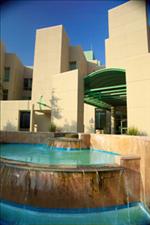 Private Hospital
Hospital CIMA Monterrey is an acute-care hospital that was originally a women's specialty hospital (formerly known as Hospital Santa Engracia) when it opened in 1996. It is located in San Pedro, Garza Garcia, a suburb of Monterrey, in Mexico.
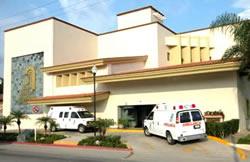 Private Hospital
A tertiary, modern, small hospital, which is part of the San Javier group of hospitals. The hospital employs 48 physicians in most medical specialties, and provides many services to accomodate private and foreign patients.
Key facts to plan your treatment: how long it takes, your hospital stay, anaesthesia, risks and recovery.
Common questions
Have a question? Get a free consultation.
Choose a hospital and send your enquiry to its international patient team. Each replies with its own price and plan.
Free consultation • No obligation