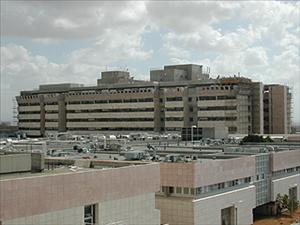
 Public Hospital
Tel Hashomer, Israel
Price on request
The largest medical centre in Israel and the Middle East, internationally renowned for it's medical excellence. Around 31,000 inpatients are treated annually.
Price
Contact for quote
Ophthalmology care in Israel
Hospitals, clinics and medical centers in Israel performing Ptosis Surgery.
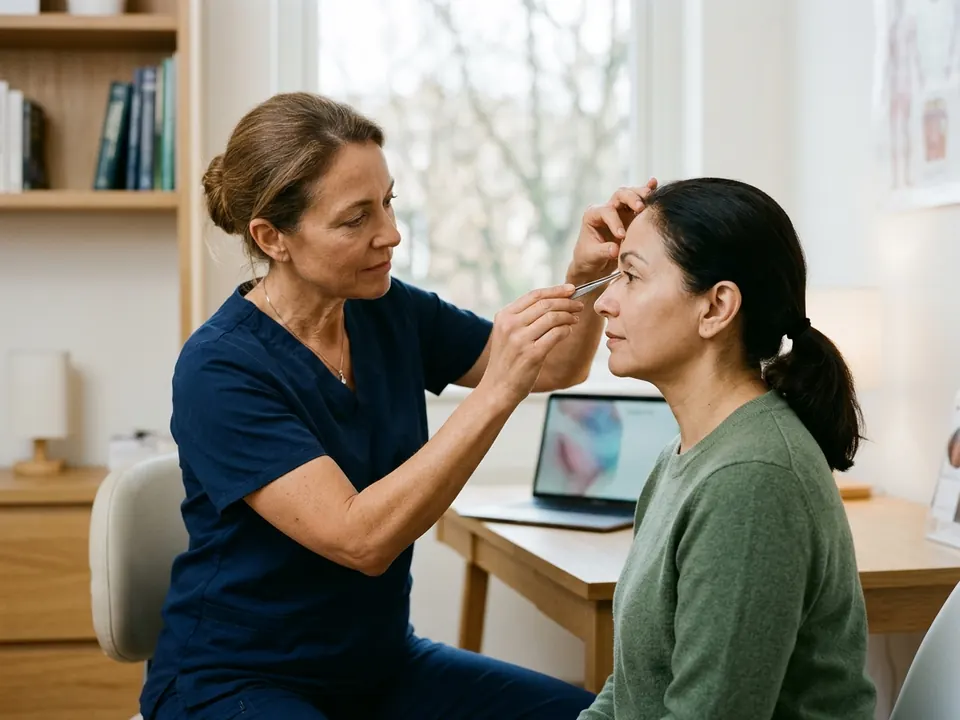
Key planning information for ptosis surgery in Israel.
Ptosis Surgery in Israel is priced per case at 6 hospitals. The operation takes 1 to 3 hours. Each hospital quotes its own price for your case.
Ptosis Surgery is listed by 6 hospitals in Israel. The order reshuffles every hour so each gets equal exposure.
Public HospitalThe largest medical centre in Israel and the Middle East, internationally renowned for it's medical excellence. Around 31,000 inpatients are treated annually.
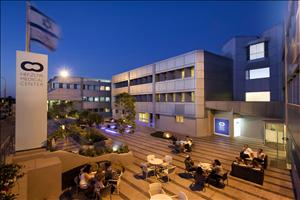 Private Hospital
A private hospital located on the shorelines of Herzliya, just off Tel Aviv, offering healthcare services to both local and foreign patients. The hospital is affiliated with over 500 Israeli physicians, many of whom hold high level positions at public hospitals.
 Private Hospital
 JCIPrice on request
The new Assuta Hospital was opened in 2009, and claims to be the most modern hospital in the middle east.
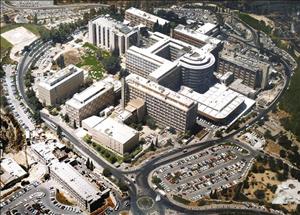 University Hospital
Hadassah medical institution includes two university hospitals in Jerusalem – on Mt. Scopus and in Ein Kerem. Both provide advanced tetriary healthcare services in all medical specialties.
 Public Hospital
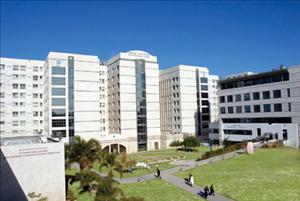
The second largest hospital in Israel, Rabin Medical Center is a tertiary care hospital that can handle the most complicated cases in all medical fields.
 Public Hospital
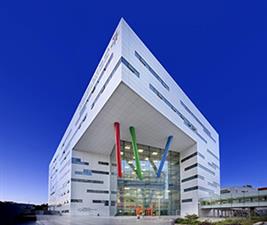
A large teaching hospital staffed by over 4,000 physicians, nurses, researchers, and allied caregivers, Rambam is Northern Israel’s largest hospital, a tertiary referral center for a population of over 2 million people.
Key facts to plan your treatment: how long it takes, your hospital stay, anaesthesia, risks and recovery.
Common questions
Have a question? Get a free consultation.
Choose a hospital and send your enquiry to its international patient team. Each replies with its own price and plan.
Free consultation • No obligation ISO