Skip to hospitals

Urology care in Israel

ESWL (Extracorporeal Shock Wave Lithotripsy) in Israel

Hospitals and medical centers in Israel performing Extracorporeal Shock Wave Lithotripsy (ESWL).

✓ Listed hospitals✓ Free consultation✓ No obligation
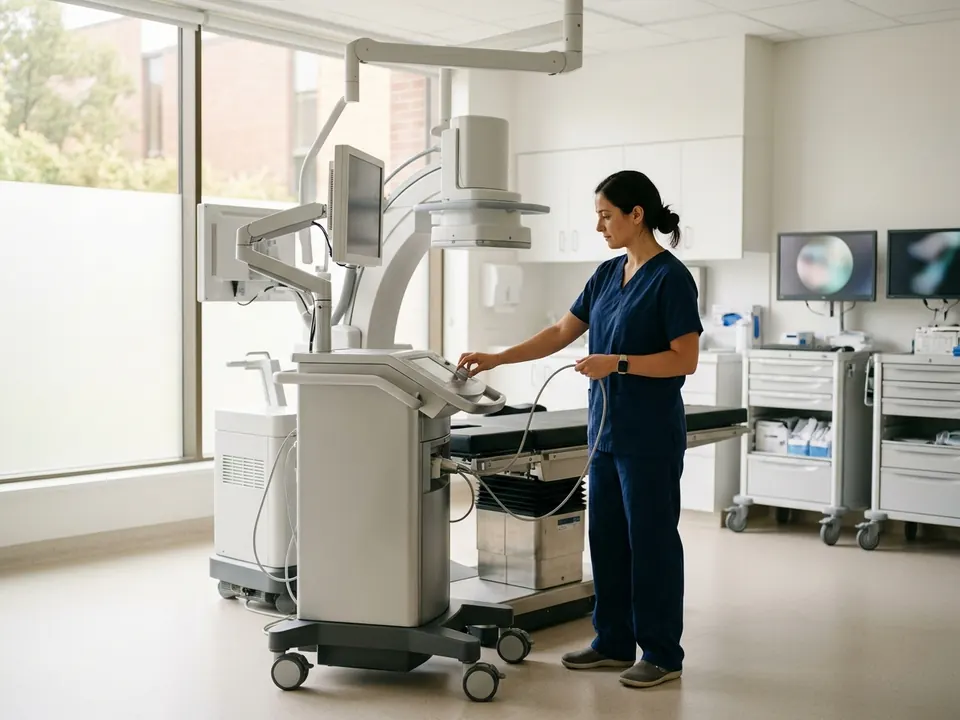
A medical professional standing beside a modern lithotripsy therapy machine.

Trusted by

  • +22 millionusers
  • +238,000patients assisted
  • +2,310medical centers
  • +18years of experience in medical tourism

At a glance

Key planning information for eswl in Israel.

45 minsProcedure time
5 hospitalsList eswl

ESWL in Israel is priced per case at 5 hospitals. The operation takes 45 minutes. Each hospital quotes its own price for your case.

Hospitals and clinics offering ESWL in Israel

ESWL is listed by 5 hospitals in Israel. The order reshuffles every hour so each gets equal exposure.

Showing 1–5 of 5 hospitals
Rabin Medical Center — photoPublic Hospital
Petah Tikva, Israel
JCI Gold Seal of ApprovalJCIISO 9001:2015 certified hospital sealISOPrice on request

The Department of Urology at Rabin Medical Center is the largest urology department in Israel and is a national referral center for the full spectrum of urological pathology ans diseases.

DoctorsJBProf. Jack BanielPMProf. Pinhas M.LivneView all 15
PricesExtracorporeal Shock Wave Lithotripsy upon request
Price
Contact for quote
Herzliya Medical Center — photoPrivate Hospital
Herzliya, Israel
Price on request

A private hospital located on the shorelines of Herzliya, just off Tel Aviv, offering healthcare services to both local and foreign patients. The hospital is affiliated with over 500 Israeli physicians, many of whom hold high level positions at public hospitals.

DoctorsBVDr. Botz'uminsky VictorAZProf. Amnon ZismanView all 39
PricesExtracorporeal Shock Wave Lithotripsy upon request
Price
Contact for quote
Hadassah Hospital — photoUniversity Hospital
Jerusalem, Israel
Price on request

Hadassah medical institution includes two university hospitals in Jerusalem – on Mt. Scopus and in Ein Kerem. Both provide advanced tetriary healthcare services in all medical specialties.

DoctorsDPProf. Dov Pode, MDONDr. Ofer Nathan Gofrit MD, Ph.D.
PricesLithotripsy upon request
Price
Contact for quote
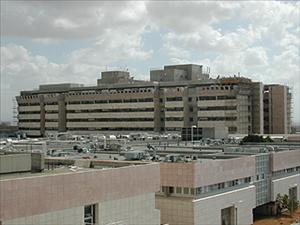
Sheba Medical Center — photoPublic Hospital
Tel Hashomer, Israel
Price on request

The largest medical centre in Israel and the Middle East, internationally renowned for it's medical excellence. Around 31,000 inpatients are treated annually.

DoctorsDZDr. Dotan ZoharKNDr. Kitrey NoamView all 3
PricesExtracorporeal Shock Wave Lithotripsy upon request
Price
Contact for quote
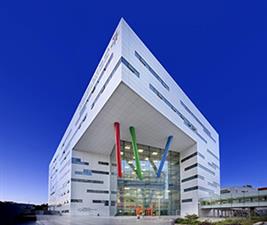
Rambam Medical Center — photoPublic Hospital
Haifa, Israel
Price on request

A large teaching hospital staffed by over 4,000 physicians, nurses, researchers, and allied caregivers, Rambam is Northern Israel’s largest hospital, a tertiary referral center for a population of over 2 million people.

DoctorsYGDr. Yeoshua Ginesin, MDZKDr. Zvi Kaufman, MDView all 6
PricesExtracorporeal Shock Wave Lithotripsy upon request
Price
Contact for quote

Description of ESWL:

What is Extracorporeal Shock Wave Lithotripsy (ESWL)?
ESWL is a procedure to break stones that are found in the kidney, urinary bladder or ureters etc, by using shock waves. It is a non-invasive form of treatment for stone removal by using auditory pulse. The stones are fragmented into tiny parts and passed out of the urine from the body.

About ESWL

Key facts to plan your treatment: how long it takes, your hospital stay, anaesthesia, risks and recovery.

Duration of surgery/treatment
45 minutes to 1 hour
Days admitted
ESWL is done as an outpatient procedure.
Recovery
- The patient is taken to the recovery room for about 2 hours after the procedure.
- Pain relieving medication may be prescribed for about 2 days after the procedure.
- Antibiotics may also the prescribed to reduce any chances of infection.
- Follow up appointment are scheduled before the patient is discharged.
- The patient can recover to perform normal activities after about 2 days.
Risks
- Pain and discomfort
- Blood in the urine when the stone fragments are passing out for approximately 3 days
- Bruises in the skin of the abdomen or groin
- Kidney infection
- Uterus blockage
- Damage to the kidneys
- Ulcer in the stomach or small intestine
- Stone fragments being left behind in the body
After care
- The patient should rest at home after the procedure.
- Pain medication should be taken according to the doctor’s instructions.
- The patient should drink plenty of water and clear liquids to help the kidney stones pass out of the urine.

The doctor should be contacted if the following symptoms of urinary tract infection are detected:

- Severe prolonged pain
- High fever
- Urine odor
- Burning sensation while urinating
- Difficulty in passing urine
- Increase of blood in the urine

Patient reviews

Reviews coming soon.

Common questions

Frequently asked questions

Have a question? Get a free consultation.

Ready to compare eswl hospitals in Israel?

Choose a hospital and send your enquiry to its international patient team. Each replies with its own price and plan.

Free consultation • No obligation