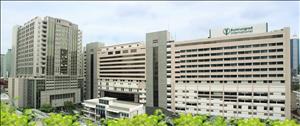
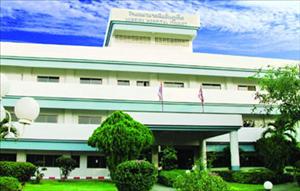
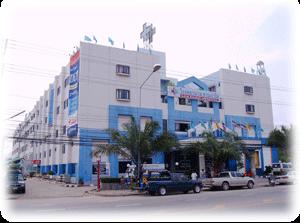
Yanhee International Hospital is a modern international hospital with 400 beds capacity and equipped with facilities to serve inpatients and outpatients for medical, cosmetic and aesthetic procedures.
This multi-specialty tertiary hospital offers various medical services as well as dental procedures to local and overseas patients. It serves over 100,000 international patients every year.
DoctorsSCDr. Saracha ChersumranJJDr. Jintana JiratitiampaiwongView all 41
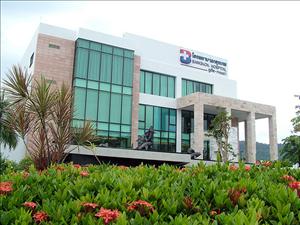
A multi-specialty tertiary hospital located in Phuket. The hospital provides medical services to Thai locals as well as international patients. Aside from medical procedures, it also offers dental services through its Dental Center.
DoctorsBGDr. Boonyanat Guensri, DDSSEDr. Sirisak Eakpisutsunthorn, DDS.View all 14
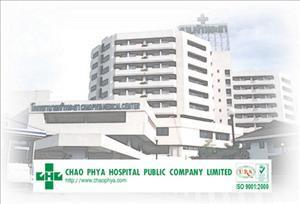
The Chaophya Hospital is a JCI accredited, tertiary private hospital in Bangkok, Thailand, which has been in operation since 1991. It has an international department which offers a comprehensive range of supporting services to foreign patients.
DoctorsKADr. Kopong AnmaneeALDr. Akarapong LapakulchaiView all 4
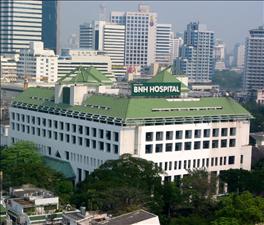
The Dental Center at BNH Hospital has over 40 dentists and dental surgeons on staff, covering all dental specialties. All dentists at BNH speak English, and many received some or all of their training in USA or Europe.
DoctorsKBDr. Kittipong BooranasophoneATDr. Angkana TechajaroenpitiView all 36
This general hospital in Bangkok offers a full range of services including Cosmetic Surgery. It has been accredited by the Hospital Accreditation Thailand and has been serving patients for more than 70 years.
DoctorsNCDr. Natthapon CherdchoojitASDr. Anatchai SinsawatView all 21
PricesRoot Canal Treatment - Anterior Tooth upon requestRoot Canal Treatment - Molar Tooth upon requestRoot Canal Treatment - Pre-molar Tooth upon request
Having been in operation for 65 years, this private hospital provides a wide range of medical services to the locals of Phuket and medical tourists. It is a part of the Seventh-day Adventist Church’s international health care mission.
Root canal treatment is an endodontic procedure in which the inner aspect of the tooth is treated, specifically the pulp tissue. This treatment is employed in order to save a grossly decayed tooth where infection has entered the pulp tissue. The treatment focuses on saving and repairing the tooth structure, removing the decayed portion and infected pulp tissue, and restoring it to maintain the functional integrity of the tooth.
There are two basic reasons for carrying out root canal treatment. The first is pulpal infection, which may be the result of an untreated dental cavity. The other common reason for root canal treatment is trauma or injury to the pulp tissue, caused by an accident resulting in tooth fracture or from multiple fillings over the same tooth. A pulpal infection may affect the surrounding bone tissue, breaking the periodontal ligament fibers and leading to tooth mobility and abscess formation.
The aim of root canal treatment is to remove the infected pulpal tissue, and to save and seal the tooth by filling the empty root canal space with an inert material called gutta percha. The symptoms that may necessitate root canal treatment includes severe tooth ache, prolonged sensitivity to heat and cold, tooth discoloration, accidental injuries leading to tooth fracture, swelling over the nearby gum tissue and pus discharge.
How many sessions are required for Root Canal Treatment?
The number of sessions required for root canal depends on the individual case as well as the expertise of the dentist and the equipment used in the dental clinic. The treatment may require one or more office visits.
The first step is to take an IOPA radiograph to determine the extent of tissue damage and to have an idea about the size and shape of the root canals. The area is then anesthetized with the help of local anesthesia and a rubber dam is applied around the tooth requiring the treatment. This is carried out to separate the tooth, preventing cross contamination with saliva and other fluids.
An access cavity is prepared in the tooth to remove the decayed enamel, dentin and infected pulp tissue along with the debris and bacteria. The clean-out process is performed with the aid of root canal files and irrigant solution. A series of endodontic files of increasing diameter are used to clean the access cavity as well as the full length of the root canals. Irrigation with sodium hypochlorite solution periodically helps in flushing away the accumulated debris, pus and bacteria from the root canal.
The dentist may take additional radiographs to ensure the full length of the root canal cavity is being worked. This point is key to determining the success of root canal treatment. Once the cavity is cleaned, gutta percha points are placed in the root canal space and the cavity is sealed.
The cavity may be sealed during the same appointment or in a separate session. If performed separately, the dentist places a temporary filling over the access cavity to keep it clean and free of infection till the next appointment which is scheduled for one week after the first visit.
The final step may involve further restoration of the tooth with a metal or ceramic crown.
How long does the entire process take?
The entire procedure for root canal treatment may be completed in a single sitting or may require several visits over a period of 7-10 days.
What are the chances of success?
Root canal treatment is a highly successful procedure and the success rate is almost 95%. In most cases, a successfully treated root canal lasts for a lifetime.
What type of dentist carries out Root Canal Treatment?
Root canal treatment is specifically performed by an endontic surgeon.
A general dentist with the skills required for root canal work can also perform the procedure.
About Root Canal
Key facts to plan your treatment: how long it takes, your hospital stay, anaesthesia, risks and recovery.
Anesthesia
Local anesthesia
Recovery
Information coming soon. Request a consultation for personalized recovery guidance. Get Quote →
Risks
- Pain and swelling - Puncture to the side of the tooth - Reversal of the symptoms - Breaking the tip of the file inside the root canal - Transporting bacteria through apical foramen causing painful swelling in surrounding tissue - Damage to underlying nerve due to improper technique causing paresthesia and numbness in the overlying tissue
After care
Information coming soon. Request a consultation for personalized recovery guidance. Get Quote →

 Private Hospital
 JCI
 Thai HA
 ISO