This multi-specialty tertiary hospital offers various medical services as well as dental procedures to local and overseas patients. It serves over 100,000 international patients every year.
DoctorsPCDr. Pornchai ChayaboonJKDr. Jimmy KongcharoenView all 5
This general hospital in Bangkok offers a full range of services including Cosmetic Surgery. It has been accredited by the Hospital Accreditation Thailand and has been serving patients for more than 70 years.
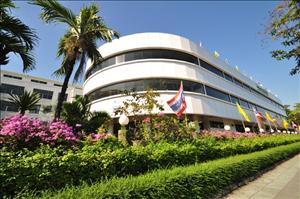
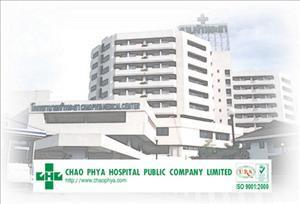
The Chaophya Hospital is a JCI accredited, tertiary private hospital in Bangkok, Thailand, which has been in operation since 1991. It has an international department which offers a comprehensive range of supporting services to foreign patients.
Peyronie's Disease Treatment options
The treatment options of Peyronie’s Disease are limited. However, about 13% of patients with Peyronie’s Disease may gradually recover on their own.
Surgery is not recommended until the symptoms persist for one or two years.
Non-surgical treatments can be started within six months of the occurrence of the symptoms. Non-surgical treatments may include oral medications, injections and investigative therapies.
Oral Medications
Oral medications that are used for the treatment of Peyronie’s Disease include the following:
Vitamin E
Vitamin E has been used to treat Peyronie’s Disease since 1945. It is a useful anti-oxidant and is also used in treating scars.
Potaba
Potassium para amino benzoate also known as Potaba may have effective results if used in large doses. This may however, cause intestinal illness.
Colchicine
Colchicine is widely used in treating gout. It helps in reducing inflammation and fights against the production of scar tissues.
Tamoxifen
Tamoxifen is a non-steroidal medication that is anti-estrogen. It is used in the treatment of a condition similar to Peyronie’s disease, known as desmoid tumors.
Carnitine
Carnitine is an antioxidant that aims to decrease inflammation and reduce abnormal healing of wound.
Penile Injections
Penile injections allow the direct appliance of drugs into the plaque and are effective when used in high doses. A local anesthesia may be administered before the injection is given to the patient. It is a minimally invasive method of treating Peyronie’s Disease. Patients who have other diseases or who are unwilling to undergo surgery may use penile injections.
Verapamil
Verapamil is administered as a direct injection that stops the production of scar tissue precursors. It is used in treating high blood pressure. The production of collagen is known to be stopped by using Verapamil. Studies show that Verapamil is successful in treating penile curvature and pain. Research is still ongoing on this drug.
Collagenase
Researchers are working on the effectiveness of Collagenase to disrupt formation of the plaque of Peyronie’s disease.
Interferon Injections
Interferon is a protein produced in the body. It is used in treating keloid scars and scleroderma.
Investigative Therapies
Therapies that are being researched for the treatment of Peyronie’s disease are:
High-intensity Ultrasound
Shock-wave treatment
Hyperthermia
Radiation therapy
External penile traction therapy
Surgery
Surgery is performed in three approaches:
Surgery to cut down the part of the penis that is opposite to the plaque or curvature
Surgery to elongate the part of the penis that is curved
Surgery to place penile prosthesis in complex cases
The Nesbit operation may be performed by extremely specialized urological surgeons who are skilled in techniques used for corrective surgeries.
The Leriche technique uses an 18 gauge needle to cut the plaque. It is known to be effective in decreasing the curve and providing sexual function.
About Peyronie's Disease Treatment
Key facts to plan your treatment: how long it takes, your hospital stay, anaesthesia, risks and recovery.
Recovery
Information coming soon. Request a consultation for personalized recovery guidance. Get Quote →
After care
Information coming soon. Request a consultation for personalized recovery guidance. Get Quote →
 Private Hospital
 JCI

 Private Hospital
 Private Hospital
 Thai HAPrice on request
 Private Hospital
 ISO